


Y’all, I have a confession. For years I was the person standing in front of the open fridge, sniffing a pack of lunch meat and asking my husband, “Does this smell okay to you?”
If you have to ask, you already know the answer.
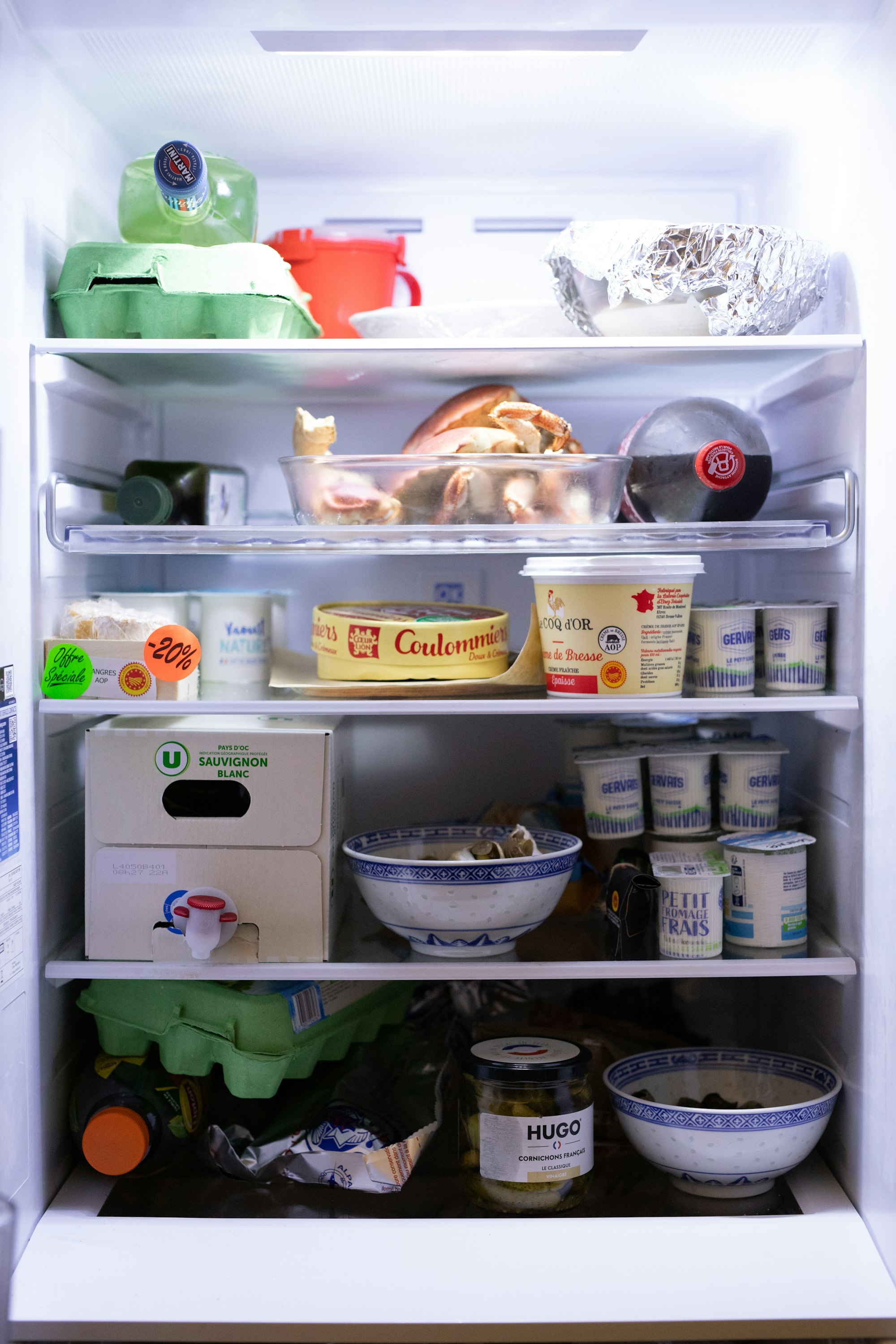
Now that I cook for my family every single day, I take the dates on my food a lot more seriously. But when I finally sat down and looked into what those dates mean, I was surprised. Most of them have nothing to do with safety. Some foods are fine well past the date, and others can make you sick even before it.
So I put together the list I keep in my own head: the foods I never play with, the ones I don’t stress about, and the simple fridge rules that keep my family safe and keep me from throwing away good food.
What the dates on your food really mean
Here’s the part nobody tells you. Food companies put most of these dates on the package to tell you about quality, not safety.
- Best if used by: This is when the food will taste its best. It is not a safety date.
- Sell by: This one is for the store. It tells them how long to keep the product on the shelf. It is not a safety date either.
- Use by: This is the last day the maker recommends for peak quality. If your package has one, follow it.
The only food the federal government requires a true “use by” date on is infant formula. Everything else is the manufacturer’s best guess at freshness.
That’s why the date is only half the story. What matters just as much is what kind of food it is, how long the package has been open, and how cold your refrigerator is. Mine stays at 40 degrees or below, and I keep a little thermometer in there to make sure.
The foods I don’t play with
These are the ones I use fast or throw out. No sniff test. No “it’s probably fine.” The bacteria that make you sick don’t always change how food looks or smells, so your nose can’t save you here.
Ground meat
Ground beef, ground turkey, and raw sausage get cooked or frozen within 1 to 2 days of coming home from the store. If taco night gets pushed back, the meat goes straight into the freezer.
Chicken and fish
Same rule: 1 to 2 days, then cook it or freeze it. Steaks, chops, and roasts give you a little more time, about 3 to 5 days.
Deli meat
Once the package is open, or if it was sliced fresh at the deli counter, we eat it within 3 to 5 days. An unopened package keeps about 2 weeks in the fridge.
Soft cheeses
Brie, ricotta, and cottage cheese are good for about 1 week. Hard cheeses like cheddar and Parmesan last much longer, so those are the ones I buy in bulk.
Carton eggs and egg substitutes
An unopened carton keeps about 10 days. Once you open it, use it within 3 days. Eggs in the shell are a different story. They keep for weeks.
Potato salad and its cousins
Egg salad, chicken salad, tuna salad, and macaroni salad are good for 3 to 4 days in the refrigerator. I treat potato salad the same way. After the cookout, I write the date right on the lid.
The foods I don’t stress about
Canned goods, dry pasta, rice, cereal, and crackers. The dates on these are about quality. If the can isn’t dented, bulging, or rusted, and the food looks and smells the way it should, a little past the date usually just means it’s not at its very best.
This is where I stopped wasting money. I used to clean out my pantry and throw away perfectly good food because of a date that was never about safety in the first place.
My fridge rules
- If the package says “use by,” I follow it.
- If it says “sell by,” I go by the type of food, not the date.
- The freezer is my best friend. If I’m not going to cook it in time, I freeze it.
- I keep a marker in the kitchen drawer and write the date I opened it right on the package.
- When in doubt, throw it out. No meal is worth getting my family sick.
Frequently asked questions
Can I eat food after the “best by” date?
Often, yes. “Best by” is about flavor and texture, not safety. For shelf-stable foods like canned goods and dry pasta, it usually just means the food is past its peak. For perishable foods like meat and deli items, go by how long it has been in your fridge.
Does the sniff test work?
Not for safety. Spoiled food usually smells bad, but the germs that cause food poisoning don’t always give you a warning.
Does freezing food stop the clock?
Yes. Food kept frozen at 0 degrees stays safe. It doesn’t matter if the date passes while it’s in the freezer. The quality can drop over time, so label it and use the oldest things first.
How cold should my refrigerator be?
40 degrees or below. An inexpensive appliance thermometer is the easiest way to check.
Now tell me in the comments: are you a “sniff test” person or a “toss it” person? No judgment. I used to be the sniffer.
Sources
- FoodSafety.gov: Cold Food Storage Chart
- USDA Food Safety and Inspection Service: Food Product Dating
- USDA Food Safety and Inspection Service: Keep Food Safe! Food Safety Basics
Thank you for reading! -Edie O.
Edie O.
Hi, I am Edie O! The creator behind 'Edieoeats', a blog created to share recipes that I have created or remixed. Also, I am showcasing my talents as a food photographer. I love taking photos of different dishes and bringing them to life with minimal styling.
Comment
Did you love this? Let us know!